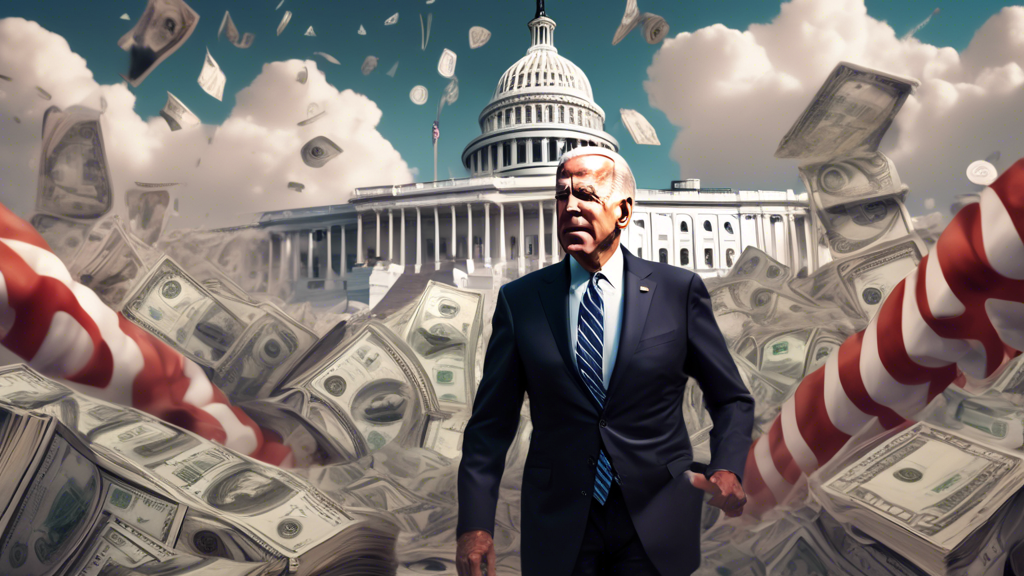

Biden’s Political Turmoil and Its Impact on the Economy
The relationship between political stability and economic performance is intricate and significant. The political environment under President Joe Biden has been marked by periods of turbulence, legislative challenges, and policy shifts. These developments have profound implications for the U.S. economy, influencing investor confidence, consumer behavior, and overall economic stability.
Political Challenges Faced by the Biden Administration
President Biden’s tenure has been characterized by several political challenges, including a closely divided Congress, partisan conflict, and extensive scrutiny over policy decisions. Key legislative efforts, such as the $1.2 trillion infrastructure bill and Build Back Better plan, have faced significant hurdles in their passage through Congress. This legislative gridlock has fostered an atmosphere of uncertainty, making it difficult for businesses and investors to plan for the future.
Effects on Investor Confidence
Investor confidence is highly sensitive to political stability. Prolonged political turmoil can lead to market volatility and reduced investment, as businesses and investors become wary of potential policy shifts. For instance, delays in passing key economic legislation can lead to concerns about future government spending and tax policies, which directly affect market forecasts and investment strategies.
Impact on Consumer Behavior
Political instability also impacts consumer confidence, which is a critical driver of economic growth. When political turmoil dominates the news cycle, consumers often become uncertain about the future. This uncertainty can lead to a reduction in consumer spending, as households may choose to save more in anticipation of potential economic downturns. Reduced consumer spending, in turn, can slow down economic growth and affect overall economic health.
Policy Uncertainty and Business Planning
Businesses rely on a certain level of predictability in government policy to make informed decisions about investments, hiring, and expansion. Political turmoil creates an environment of uncertainty that complicates business planning. For example, uncertainty over tax policies, regulatory changes, and government spending can deter businesses from making long-term investments. This hesitation can stunt economic growth and innovation.
Global Economic Implications
Political turmoil in the United States does not only affect the domestic economy but also has global repercussions. The U.S. plays a pivotal role in the global economy, and instability within its political system can lead to ripples across international markets. Uncertainty in U.S. policy can impact currency values, international trade relations, and global investment flows. For instance, trade negotiations or policy stand-offs can influence the dynamics of global supply chains and international commerce.
Mitigating Economic Risks
To mitigate the economic risks associated with political turmoil, it is crucial for the Biden administration to strive for greater political cohesion and stability. Transparent communication regarding policy intentions and a willingness to seek bipartisan support for key economic initiatives can help reduce uncertainty. Efforts to maintain clear, consistent policies will be vital for sustaining investor and consumer confidence.
Conclusion
The economic impact of political turmoil under President Biden’s administration underscores the importance of political stability for economic health. Investor confidence, consumer behavior, business planning, and global economic relations are all deeply affected by political events and legislative uncertainties. Addressing these challenges with a focus on stability and coherence can help protect and promote economic growth amidst the prevailing political discord.