
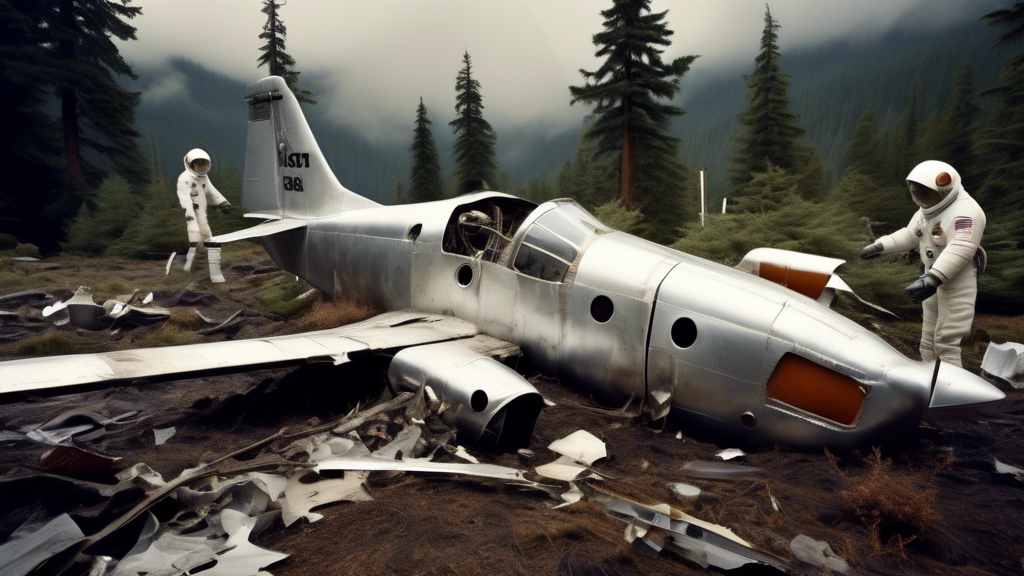

In a tragic turn of events, it has been confirmed that retired astronaut William Anders, famed for his critical role in the historic Apollo 8 mission, was among those involved in a recent plane crash in Washington state. The incident, which has garnered significant media attention, occurred on a remote stretch of land, adding another chapter to Anders’ distinguished yet now somber life story.
The Incident
The plane crash took place on an otherwise serene afternoon when the aircraft, a small personal plane, went down under circumstances that remain under investigation. Initial reports suggested mechanical failure as a potential cause, but a complete picture will only emerge once aviation authorities complete their thorough investigation. Emergency response teams acted quickly, but the remote location proved to be a significant challenge.
About William Anders
William Anders, 89, has been celebrated as an American hero since his days as an astronaut. He was one of the crew members of Apollo 8, the first manned spacecraft to leave Earth’s orbit, reach the moon, orbit it, and safely return. His famous Earthrise photograph, capturing Earth from the lunar orbit, stands as one of the most iconic images in human history.
Prior to his involvement in the Apollo missions, Anders graduated from the United States Naval Academy and later earned a Master of Science degree in Nuclear Engineering. His distinguished career included crucial contributions to various space missions, making him a key figure in NASA’s early successes.
Legacy and Impact
Anders’ legacy goes beyond his technical contributions and extends into cultural and philosophical realms. The Earthrise photo, in particular, inspired a generation to think more globally and ecologically. His work post-NASA, including his tenure as the CEO of General Dynamics, showed his versatile talents and intellectual prowess across different fields.
The loss of William Anders has struck a chord across the nation and the world. Tributes have been pouring in from all corners, celebrating his storied legacy and mourning the accident that cut his life short.
Ongoing Investigation
The National Transportation Safety Board (NTSB) is leading the investigation into the cause of the crash. Early insights suggest that weather conditions were optimal, raising questions about potential mechanical issues. The aviation community is awaiting conclusive results from the NTSB’s inquiry to understand the precise factors that led to this devastating event.
Investigators are interviewing witnesses and reviewing maintenance records to piece together the aircraft’s final moments. It is expected that this detailed examination will shed light on the accident, contributing to broader efforts to enhance aviation safety.
Conclusion
William Anders will be remembered as a trailblazer whose contributions to space exploration and humanity are both profound and lasting. While the plane crash in Washington has cast a pall over his enduring legacy, it cannot diminish the indelible impact he had on science, technology, and ecological awareness. His life’s work will continue to inspire future generations of explorers and thinkers.
The aviation and space communities, along with admirers worldwide, mourn the loss of a pioneer, honoring William Anders for his monumental achievements and his timeless spirit of exploration.


