
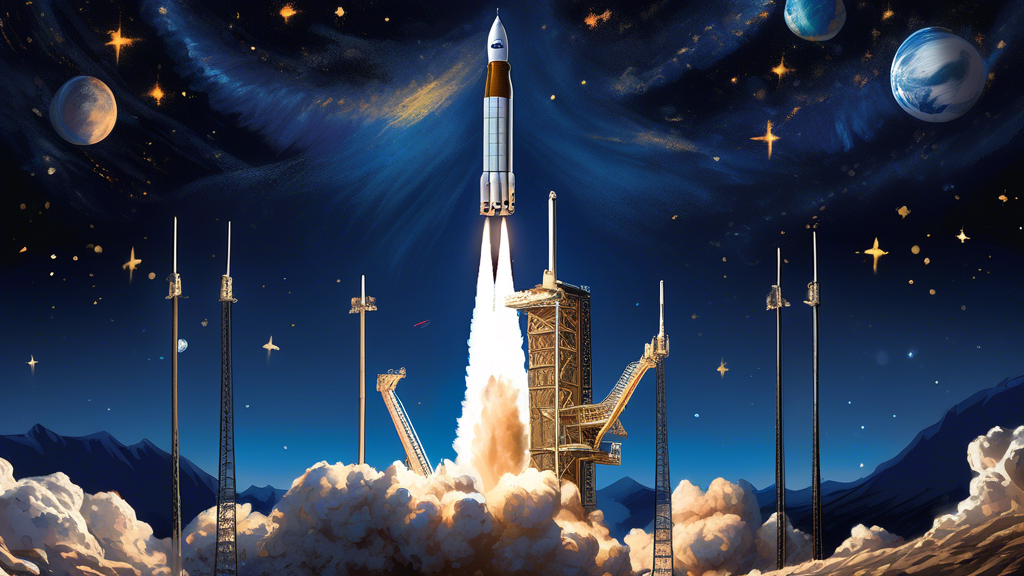

Boeing’s Starliner Launches at Last with Two NASA Astronauts – NPR
The much-anticipated moment has finally arrived. Boeing’s Starliner spacecraft, a central component of NASA’s Commercial Crew Program, has successfully launched with two NASA astronauts on board, marking a significant milestone in human spaceflight. This momentous event not only reflects the advancements in commercial aerospace but also underscores the resilience and determination of the teams involved in bringing this project to fruition.
A Long-Awaited Achievement
The journey to this successful launch has been anything but smooth. Originally scheduled to fly years earlier, the Starliner program has faced numerous delays and setbacks. Technical difficulties, software issues, and other challenges necessitated rigorous testing and multiple postponements. Each delay, however, provided invaluable lessons and opportunities to refine the spacecraft, ensuring the highest safety standards for the astronauts on board.
The Crew and Their Mission
The two NASA astronauts aboard the Starliner are accomplished veterans of space exploration. Their extensive training and previous experience have equipped them to handle the complexities of this mission. As they embark on this journey, their primary objectives include testing the spacecraft’s systems, assessing its performance in space, and conducting critical research that will pave the way for future missions.
Upon reaching the International Space Station (ISS), the astronauts will dock the Starliner and spend several weeks conducting scientific experiments. These experiments are crucial for understanding how to sustain human presence in space for extended periods, a key aspect of NASA’s long-term goals for lunar and Martian exploration.
A New Era of Commercial Spaceflight
This launch is a testament to the evolving landscape of space exploration, where partnerships between NASA and private aerospace companies like Boeing are becoming increasingly vital. The success of the Starliner mission represents a collaborative effort that combines the expertise and innovation of both public and private sectors.
The Commercial Crew Program aims to provide reliable, cost-effective transportation to the ISS and beyond. By outsourcing such missions to companies like Boeing, NASA can focus on other ambitious projects, such as the Artemis program, which aims to return humans to the moon and eventually send crewed missions to Mars. Boeing’s successful launch adds a new dimension to this collaborative framework, promising an era where space travel becomes more accessible and routine.
Broader Implications and Future Prospects
The success of the Starliner mission extends beyond the immediate triumph of a successful launch. It signifies progress in technological innovation, safety enhancements, and the overall capabilities of commercial spacecraft. This achievement also inspires confidence in future missions that will rely on similar partnerships and technological advancements.
Looking ahead, Boeing and NASA are already planning subsequent missions. These future flights will not only continue to support the ISS but will also explore new frontiers, potentially involving a more diverse range of crew members and scientific aspirations. As the Starliner program matures, it will play a crucial role in ensuring continued human presence in space and contribute to the growing body of knowledge and technology that supports exploration.
Conclusion
Boeing’s Starliner launch with two NASA astronauts symbolizes a major milestone in the evolution of space exploration. Overcoming numerous challenges, this mission exemplifies the culmination of years of hard work, dedication, and collaboration. As the Starliner continues its journey and returns valuable data and experience, it sets the stage for an exciting and dynamic future in human spaceflight.


