
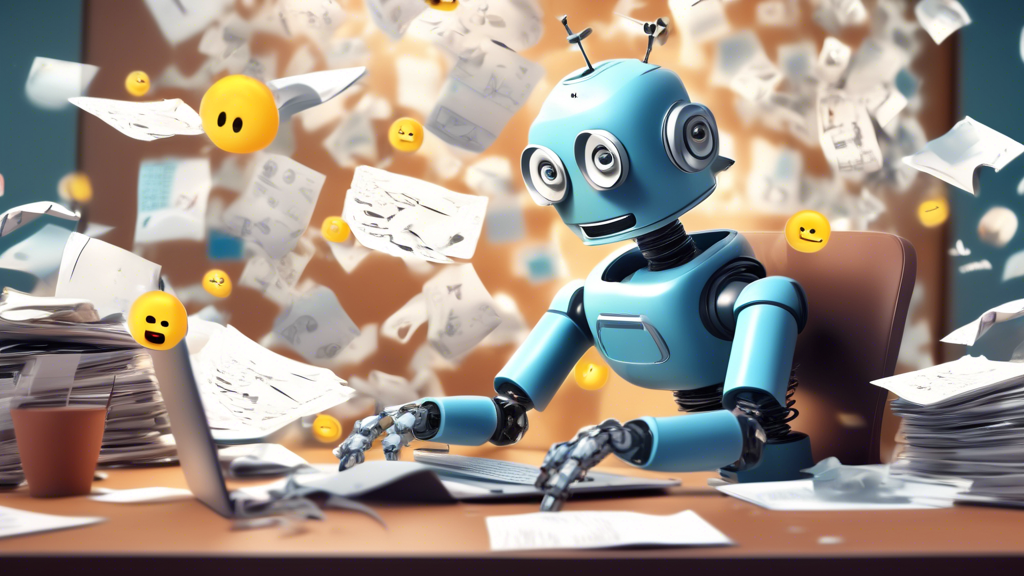

Google’s AI Faces Public Ridicule After Series of Gaffes Goes Viral
In a recent digital debacle that snapped the collective attention of social media users, Google’s artificial intelligence system has been the subject of widespread ridicule following a series of humorous and occasionally embarrassing computational blunders. These AI mishaps have been shared and reshared across various social platforms, leading to a viral phenomenon that has not only amused online audiences but also raised questions about the severity and implications of AI errors in everyday technology use.
The Nature of the Blunders
The blunders made by Google’s AI ranged from harmless and silly to more concerning misinterpretations of basic user commands. Some users reported instances where simple requests for weather updates resulted in nonsensical or unrelated information, such as historical facts or random data points. In more humorous exchanges, the AI seemingly misinterpreted song lyrics or famous movie quotes, creating whimsical responses that quickly captured the imagination of the social media populace.
User Reactions and Social Media Frenzy
The public’s reaction was swift and unforgiving, with many taking to Twitter, Reddit, and other social media platforms to share their AI misadventures. Screenshots of these AI interactions became popular content, with some posts garnering thousands of likes and shares. The viral nature of these posts magnified the situation, highlighting the AI’s mistakes to a global audience and leading to a somewhat mocking celebration of its computational shortcomings.
Impact on Google’s Reputation
The viral spread of Google’s AI blunders has had mixed repercussions for the company. On one hand, the humorous element of the errors has allowed for a lighter and more engaging discourse around the technology. On the other hand, it has also instigated concerns about the reliability and sophistication of Google’s AI systems, especially considering the company’s significant investment and perceived leadership in AI development. The widespread ridicule has inevitably led to a more scrutinized examination of AI’s role in everyday digital interactions and its potential to err in basic or routine tasks.
Expert Opinions and Industry Repercussions
Industry experts have weighed in on the incident, with some expressing concern over the ubiquitous integration of AI technologies in consumer products without adequate fail-safes or understanding of AI’s practical limitations. Others suggest that the viral nature of these errors could serve as a valuable lesson for AI developers about the unpredictable ways in which users might interact with AI systems and the importance of context in AI responses.
The Path Forward for AI Accuracy and Reliability
Looking ahead, Google and other AI stakeholders are likely to focus more intently on improving AI response accuracies, context awareness, and overall reliability. This includes enhancing natural language processing capabilities and integrating more robust error-checking mechanisms to prevent similar blunders from occurring. Furthermore, these incidents underscore the need for continual user feedback and engagement to improve AI systems’ contextual understanding and operational dependability.
In conclusion, while Google’s AI blunders have provided an amusing storyline for social media users worldwide, they also highlight significant challenges and considerations in the ongoing development and deployment of artificial intelligence technologies. As AI continues to permeate different aspects of human interaction and digital communication, ensuring its effectiveness and accuracy remains a top priority for developers and users alike.


