
Details on Iranian Helicopter Crash Involving President Raisi
Incident Overview
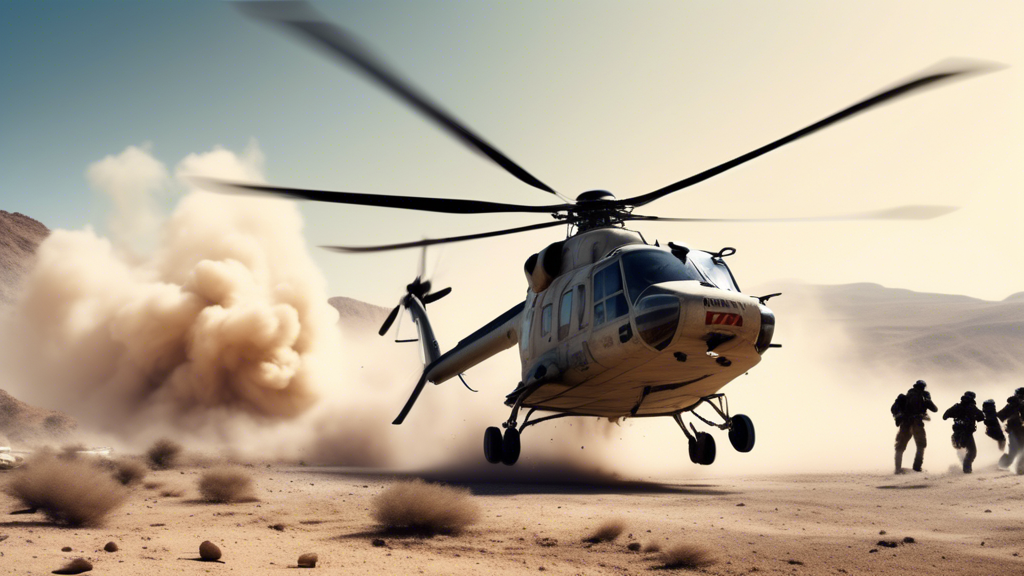
An Iranian helicopter carrying President Ebrahim Raisi experienced a hard landing as reported by Iranian state television. This incident raised immediate concerns about the president’s safety and the potential implications for the country’s political climate. Details about the crash remain limited, but initial reports indicate that while the helicopter was significantly damaged, there were no fatal casualties.
The President’s Condition and Response
Shortly after the incident, state media confirmed that President Raisi was safe and had sustained no serious injuries. The president himself addressed the nation later, assuring them of his well-being and emphasizing the resilience of his administration in the face of challenges. This swift communication was aimed at quelling any potential unrest or speculation about a deeper crisis.
Circumstances of the Crash
The helicopter, which was en route to a scheduled event, reportedly encountered mechanical issues that led to the hard landing. Witnesses described a scene where the helicopter appeared to struggle for control before making an abrupt descent. Emergency services were quick to respond, securing the area and attending to those on board the aircraft.
Investigation and Safety Measures
Following the incident, authorities launched a full investigation to determine the precise causes of the helicopter’s mechanical failure. This includes examining the helicopter’s maintenance records and the crew’s adherence to flight operation protocols. The transportation minister promised transparency in the investigation and vowed to implement necessary measures to prevent such incidents in the future.
Political Implications
The helicopter crash has stirred discussions on the state of governmental transport protocols and the general safety of Iranian officials. Political analysts suggest that this incident could prompt a review of how senior officials are transported within the country, potentially leading to updated practices and enhanced security measures. Furthermore, this event may have implications for President Raisi’s public perception, either bolstering his image as a resilient leader or exposing vulnerabilities within his administration.
Conclusion
While the crash involving President Raisi ended without catastrophic outcomes, it highlights significant concerns regarding the safety protocols surrounding governmental transportation. The ongoing investigation will likely shed more light on the needs for improvements in both the technical and administrative aspects of official state transport. Moreover, how President Raisi addresses this incident could play a pivotal role in shaping his leadership narrative in the times ahead.