
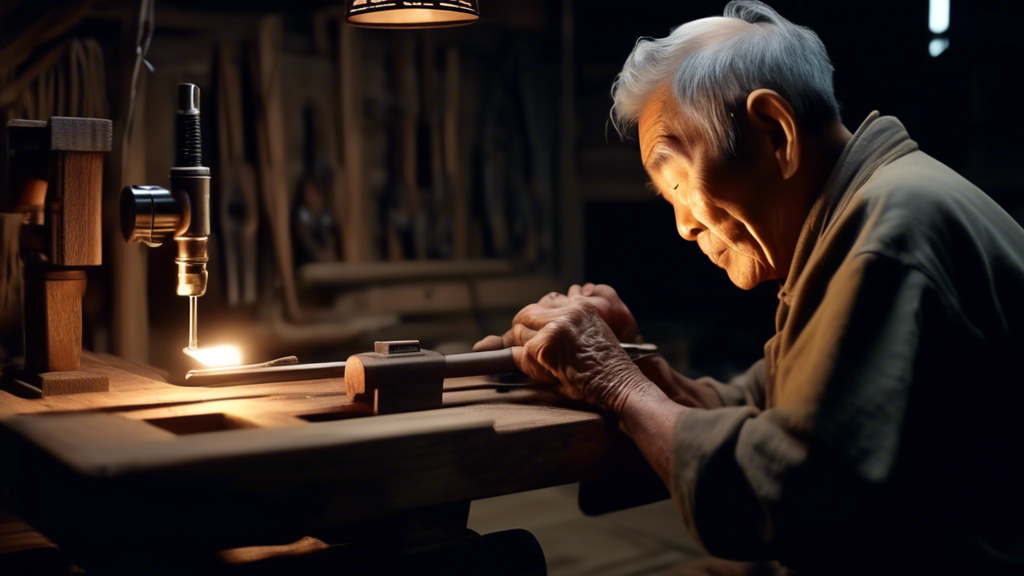

The Creation of a Compact Lathe in a Japanese Internment Camp
During World War II, the United States government forcibly relocated and incarcerated about 120,000 Japanese Americans and Japanese nationals in internment camps across the country. Despite the harsh conditions and profound injustices they suffered, the internees found ways to demonstrate resilience and innovation. One remarkable instance of this spirit is the construction of a compact lathe in one of these camps.
Background and Historical Context
The internment camps were established by President Franklin D. Roosevelt’s Executive Order 9066 in 1942, following the attack on Pearl Harbor. People of Japanese descent, most of whom were American citizens, were rounded up and placed in these camps without due process, losing their homes, businesses, and possessions. The camps were located in remote areas, often desolate and harsh environments.
Innovation Under Adversity
Amid this oppressive backdrop, the internees strived to maintain a semblance of normal life and dignity. They established schools, newspapers, and even small businesses. However, the story of the compact lathe stands out as a unique testament to their ingenuity and determination.
A lathe is a machine tool that performs various operations such as cutting, sanding, knurling, drilling, or deformation, typically used for shaping metal or wood. In the context of the internment camp, access to such machinery was almost non-existent, and yet, the desire and necessity for creating useful tools and items spurred the internees to innovate.
The Construction of the Lathe
The creation of the compact lathe was spearheaded by a small group of internees who were former engineers and craftsmen. Understanding the need for a tool that could help manufacture other tools and repair equipment, they started designing a lathe from scratch. Materials were scarce and primarily consisted of scrap metal, wood, and parts of discarded machinery. With limited resources, the internees displayed remarkable creativity and resourcefulness.
The lathe they constructed was compact but effective, tailored to operate within the constraints of their limited environment. It became instrumental in the camp, not only allowing the internees to fix essential items but also providing a way to craft new objects needed for daily life in the camp. This machine became a symbol of resilience, showing how innovation could thrive even in the most challenging conditions.
Impact and Legacy
The construction of the compact lathe had a significant impact within the camp. It facilitated better self-sufficiency and improved the morale among the internees. The existence of such a tool was a testament to the indomitable spirit of those faced with injustice and adversity.
Historically, the story of the lathe serves as a poignant reminder of the resourcefulness and resilience of the Japanese American community during a dark chapter of American history. It also illustrates the human capacity to adapt and innovate no matter the circumstances.
Conclusion
The compact lathe constructed in a Japanese internment camp is more than just a tale of technical ingenuity; it is a narrative about human dignity, resilience, and the profound impacts of community solidarity in the face of systemic injustice. As we reflect on such stories, they remind us of the strength found in communities and the enduring spirit of creativity and resourcefulness.


