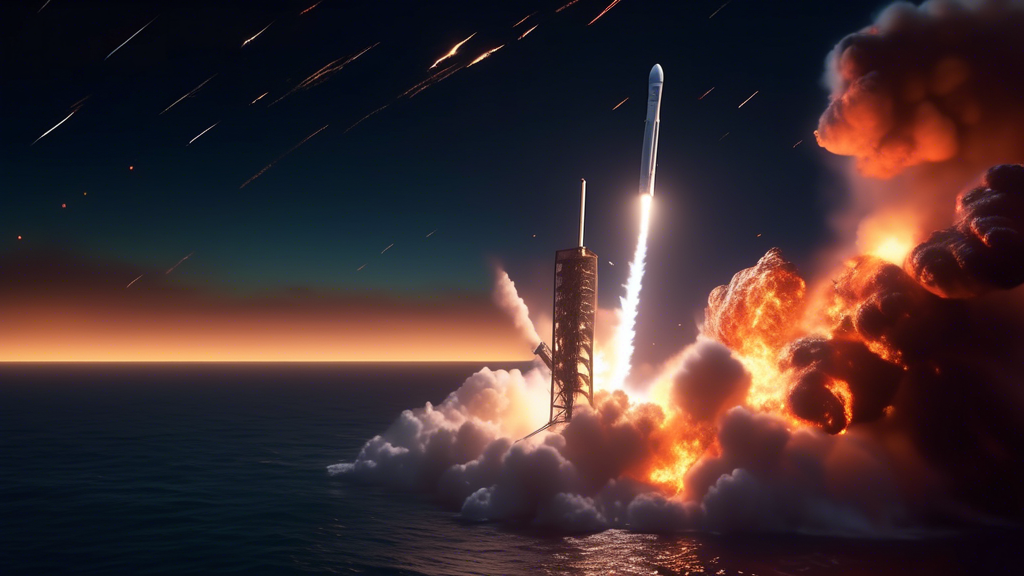

SpaceX’s Ambitious Weekend: Launching 20 Satellites from California
In an impressive display of aerospace prowess, SpaceX is gearing up for the second part of its Starlink doubleheader, scheduling the launch of 20 satellites from Vandenberg Space Force Base in California. This launch is not only a testament to SpaceX’s growing capabilities in space logistics but also marks a significant step in its ongoing Starlink project, aimed at providing global broadband coverage via satellites.
Understanding the Starlink Project
Starlink, a satellite internet constellation being constructed by SpaceX, aims to provide satellite Internet connectivity to underserved areas of the planet, as well as provide competitively priced service in urban areas. The project is employing a constellation of Low Earth Orbit (LEO) satellites. Initiated by SpaceX founder Elon Musk, the ultimate goal is to blanket the earth in a mesh of seamless broadband connectivity, supporting the Internet of Things (IoT), high-speed internet provision, and global communication outreach.
Details of the Scheduled Launch
The launch from Vandenberg Space Force Base is scheduled to take place this evening, marking it the second launch of the Starlink doubleheader. The first part took place successfully earlier, and today’s event aims to further the reach and capabilities of the Starlink constellation. Today’s flight involves the Falcon 9 rocket, which is famed for its reusability. This rocket will carry 20 more Starlink satellites into space, each packed with multiple high-throughput antennas and a single solar array.
SpaceX’s Falcon 9 rocket is noted for its design being focused on cost-effectiveness and reliability, factors crucial for missions involving satellite deployment. This particular launch is especially noteworthy as it utilizes a booster that has demonstrated high reliability through multiple reuses in previous missions.
Impact and Benefits of Successful Launch
A successful launch of these 20 satellites will further solidify SpaceX’s stance as a key player in space technology and broadband provision. Expanding the Starlink constellation will help in reducing the connectivity void experienced by remote areas worldwide, promoting equality of internet access, irrespective of geographic and economic barriers.
The immediate impact of these additional satellites will likely be seen in an increase in the network’s performance, reduced latency, and increased internet speeds for users. In the long run, as more and more satellites join the constellation, the goal is to have enough overlapping coverage and bandwidth to support high-speed internet anywhere on Earth.
Looking Towards the Future
This launch is one of the many planned for the Starlink project. SpaceX envisions thousands of these small satellites orbiting the Earth, each in carefully calculated trajectories to maximize coverage and data throughput. The success of each launch is a stepping stone towards that expansive goal that could revolutionize how the world accesses and uses the internet.
In conclusion, as SpaceX launches the second part of its Starlink doubleheader tonight from California, we are reminded of the incredible strides humanity is making in harnessing technology for global connectivity. This event is not just a showcase of technological achievement but a leap towards a future where high-speed internet connectivity is a universal reality.