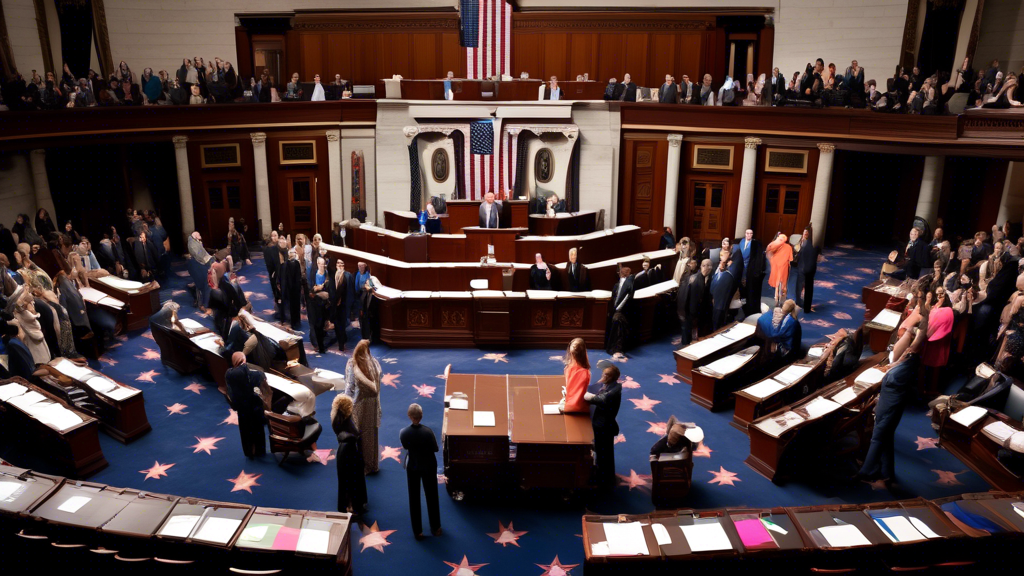

In a significant legislative move, the House of Representatives has passed a defense bill with far-reaching implications for abortion access, transgender service members, and diversity initiatives. The bill, passed by a narrow margin, has sparked intense debate and is poised to impact various aspects of military life and operations. Here, we delve into the key provisions and the broader implications of the legislation.
Abortion Access
The newly approved defense bill introduces stricter regulations on abortion access for service members and their dependents. The amendments restrict funding for abortions except in cases where the life of the mother is at risk, or in instances of rape or incest. This marks a significant shift from current policies that offer broader access under military healthcare plans. Supporters of the bill argue that it aligns military policy with federal restrictions on abortion funding, while opponents contend it undermines the reproductive rights of service members who often have limited access to civilian healthcare options due to frequent relocations and deployments.
Transgender Service Members
Changes affecting transgender service members constitute another controversial aspect of the defense bill. It includes provisions that place limitations on medical care related to gender transition, prohibiting the use of Department of Defense funds for gender reassignment surgeries and associated treatments. This revision directly challenges the inclusive policies established in recent years that allow transgender individuals to serve openly and seek necessary medical care. Proponents of the bill assert that the military should focus on readiness and cost-saving measures, whereas detractors highlight concerns about equity, medical necessity, and the mental health of transgender service members.
Diversity Initiatives
Diversity initiatives designed to foster a more inclusive military environment are also impacted by the new legislation. The bill reduces funding and support for diversity training programs, which have been pivotal in addressing issues related to race, gender, and cultural sensitivity within the armed forces. Advocates for these programs emphasize their role in promoting unit cohesion and morale among a diverse military population, while critics argue that such initiatives can be divisive and detract from the core mission of national defense. The scaling back of these programs has raised concerns about the military’s commitment to creating an inclusive and equitable environment for all personnel.
Broader Implications
The approval of this defense bill represents a broader ideological battle over military policy and the role of the armed forces in social issues. It has become a lightning rod for partisan debates, with implications that extend beyond the immediate provisions. This legislative move underscores the ongoing division within the country on matters of gender, sexuality, and race, and the unique position of the military as both a symbol of national security and a representation of societal values.
Moreover, the bill’s passage sets the stage for further legislative and judicial battles. As the Senate prepares to review the bill, its provisions are likely to face significant opposition and possible amendments. The potential for vetoes and legal challenges also looms large, particularly on grounds related to constitutional rights and discrimination.
Conclusion
The House’s approval of this defense bill ushers in a contentious phase in military policy, affecting abortion access, transgender service members, and diversity initiatives. As the legislation moves to the Senate and potentially the courts, its outcome will profoundly influence the lives of service members and the future direction of the United States military. Stakeholders on all sides of the debate remain vigilant, aware that the implications of these policies reach far beyond the armed forces, touching upon broader societal values and rights.